
The Benefits of Physical Exercise on Mental Health
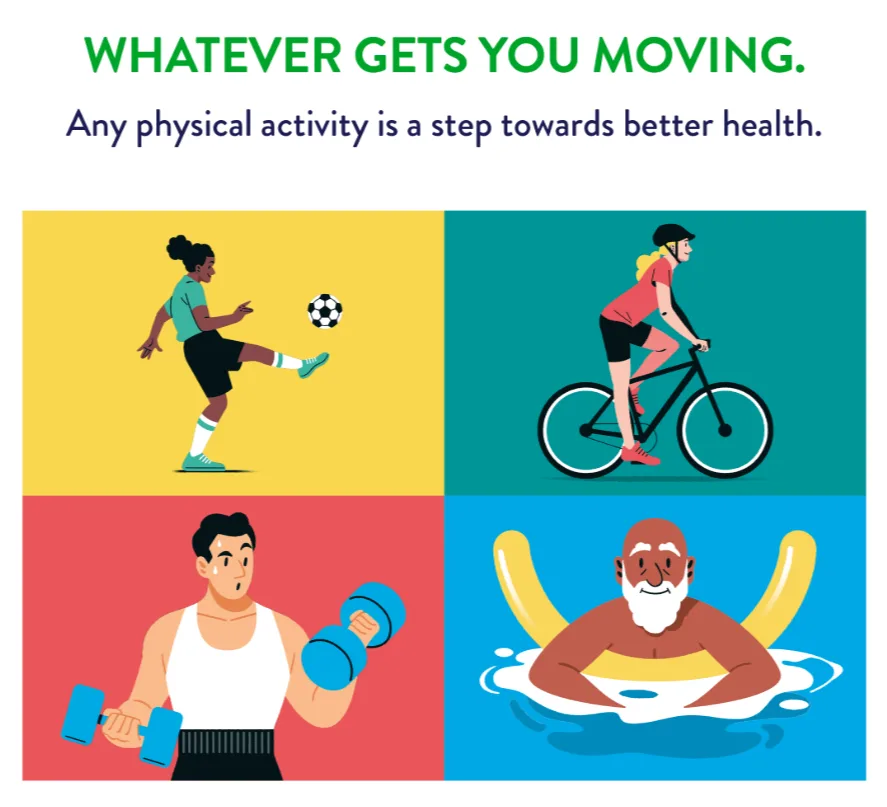
We often think of exercise as something we do to improve our physical health, but its benefits extend far beyond the body. Regular physical activity can support mental health, emotional wellbeing, sleep, energy and overall quality of life. Australian health guidelines recognise regular movement as an important part of maintaining good physical and mental health.
How can exercise support mental health?
Physical activity can be a helpful way to manage stress and improve mood. Moving our bodies can provide a break from daily demands and give us an opportunity to focus on the present moment. Regular physical activity has also been associated with reduced symptoms of anxiety and depression.
Exercise can also support better sleep. Since sleep, physical health and mental health are closely connected, developing a regular movement routine may contribute to improved overall wellbeing.
Physical activity can also provide opportunities for connection. Joining a sports team, attending a group class, going for a walk with a friend or simply spending time outdoors can combine movement with social interaction.
Importantly, exercise doesn’t have to mean going to the gym or completing an intense workout. Physical activity can include walking, swimming, dancing, gardening, cycling, playing a sport or simply incorporating more movement into your day.
Simple ways to get started
If exercise isn’t currently part of your routine, start small:
Take a 10-minute walk.
Put on your favourite music and dance.
Take the stairs when you can.
Go for a walk with a friend, family member or pet.
Try gentle stretching or yoga.
Spend some time gardening.
Break up long periods of sitting by getting up and moving regularly.
Choose an activity you enjoy, rather than something you feel you “should” do.
The Australian Government’s current guidelines emphasise that some physical activity is better than none, and even small steps towards recommended activity levels can benefit health and wellbeing.
Remember: you don’t have to do it alone
If you’re experiencing ongoing anxiety, low mood, significant stress or other mental health difficulties, exercise can be one part of your overall wellbeing plan. It doesn’t need to replace professional support.
If you have concerns about your mental health, or you’re unsure what type or amount of physical activity is appropriate for you, talk with your GP or another qualified health professional. This is particularly important if you have an existing health condition, injury, disability or other factors that may affect what activities are suitable for you.
The goal isn’t perfection. It’s finding movement that feels achievable, enjoyable and sustainable. Even small steps can be a positive investment in your mental health.