
Why Building Healthy Habits Feels So Hard
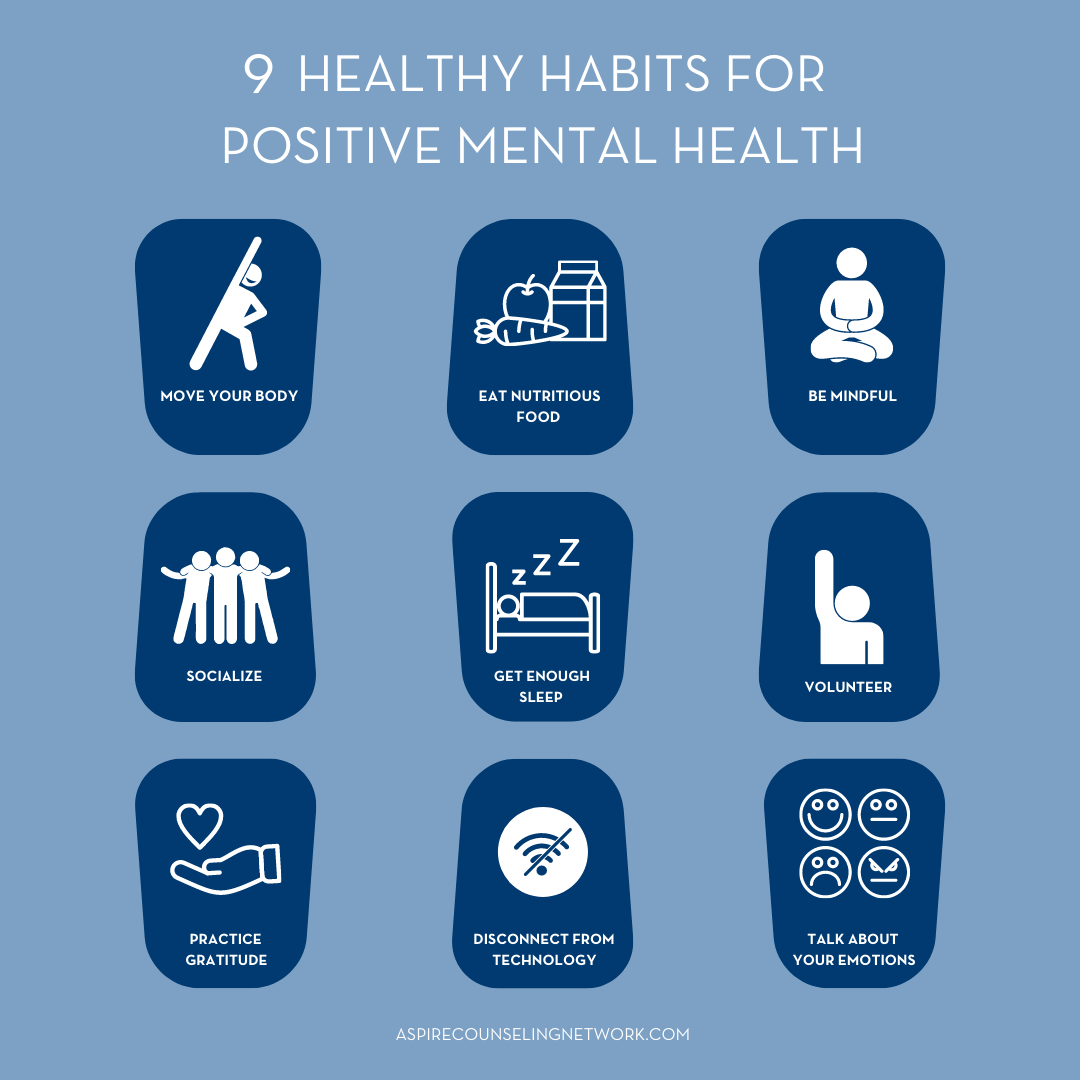
Building healthy habits, both physical and psychological, sounds simple in theory but can feel much harder in real life. You might know what helps, like going for a walk, getting enough sleep, or responding more calmly to stress, yet still find it difficult to do these things consistently.
Part of the challenge is how habits are formed. Both behavioural habits, like movement or eating patterns, and psychological habits, like overthinking or self criticism, are built through repetition. Over time they become automatic. When you are tired, stressed, or overwhelmed, your brain tends to fall back on what feels familiar, not necessarily what is most helpful.
This is why building healthy habits is not just about motivation or discipline. It is also about your nervous system. When you are already feeling anxious, rushed, or emotionally stretched, even small changes can feel like too much. It can be harder to pause and reflect on a thought, or to choose something that supports your body.
Psychological habits often shape how well physical habits stick. For example, perfectionism or all or nothing thinking can lead to setting unrealistic goals. When that does not happen, it can feel like failure, which makes it harder to continue. This can create a cycle of starting and stopping, rather than building something steady and sustainable.
What tends to help is making things smaller and more flexible. A short walk instead of a full workout. Noticing a thought without trying to control it. Taking a brief pause rather than expecting yourself to feel completely calm. These small shifts may not seem like much, but they begin to add up over time.
It also helps to pay attention to how you speak to yourself. When setbacks happen, and they will, responding with some level of understanding can make it easier to keep going. Being harsh with yourself often reinforces the very patterns you are trying to change.
Physical and psychological habits are closely linked. When one improves, it often supports the other. Better sleep can make emotional regulation easier, and more balanced thinking can help you stay consistent with daily routines.
Building healthy habits is not about getting it right every time. It is about gently coming back, again and again, to what supports you, even when it feels difficult. Over time, those small returns begin to feel more natural, until the habit starts to become your default.